Wondering what really happens when your child sits in the dental chair for the first time? It’s completely normal to have questions, especially if you’re not sure what to expect. Will they cooperate? Will the dentist examine their teeth right away? What if they’re nervous?
Knowing what the visit looks like ahead of time can make the experience feel much less overwhelming for both of you. At Just Kids Dental, we make that first experience age- appropriate and focused ocused on your child’s individual needs. Here’s what typically happens during the visit, what the dentist is looking for, and how you can help your child get the most out of their first appointment.
When to Book the First Dental Visit for a Toddler
The general recommendation is to schedule your child’s first dental visit by their first birthday or within six months of their first tooth appearing, whichever comes first. This early visit gives the dentist an opportunity to check how your toddler’s teeth are coming in, discuss brushing and feeding habits, and answer questions about their developing smile.
If your child is already past their first birthday, don’t worry. You’re not too late, and there’s no need to feel guilty about waiting. Simply schedule a visit when you can. The team at Just Kids Dental is happy to help you establish a dental routine that works for your child.
Have Questions About Your Child’s First Visit? We Can HelpWhat Happens At A Child’s First Dental Visit: From Check- In to Checkup
Knowing what to expect can make the first appointment feel much more straightforward. At Just Kids Dental, we keep the visit simple, age-appropriate, and focused on helping your child get comfortable while we check their developing smile.
Checking In and Settling In
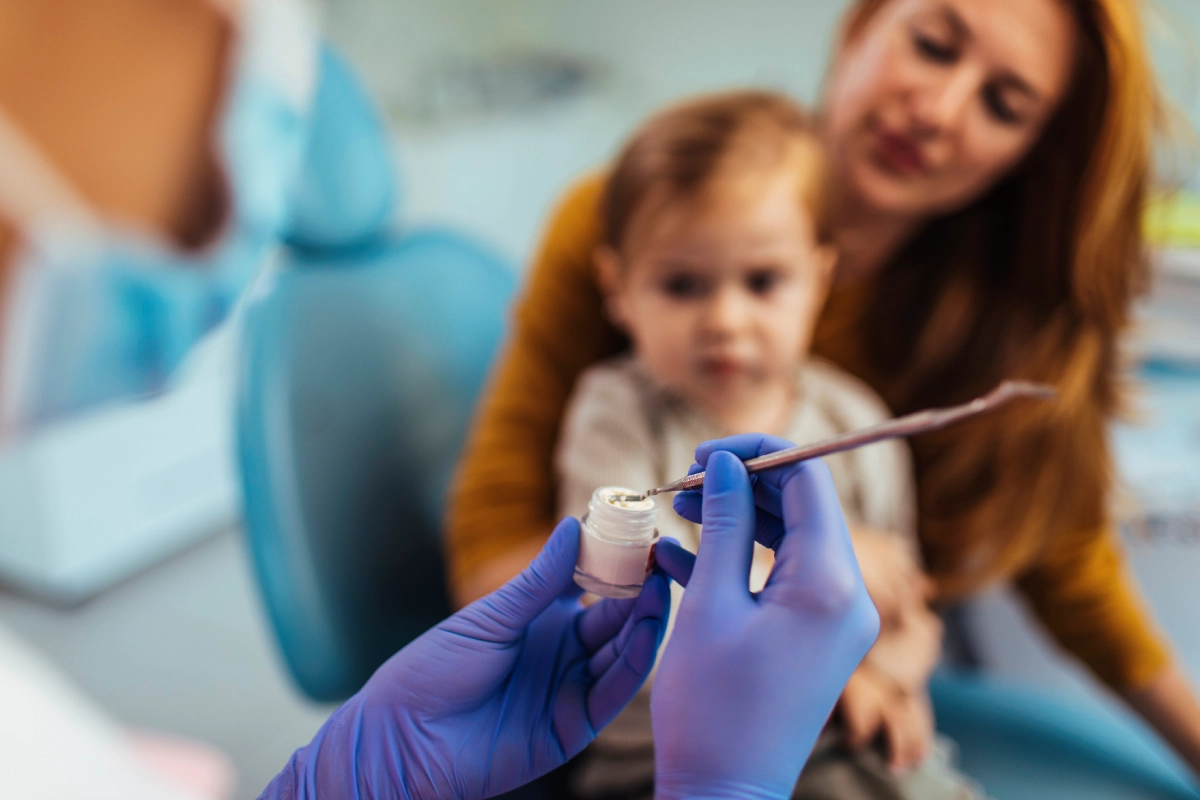
You’ll check in at the front desk and then head back to the treatment area with your child. If they want to stay close to you, that’s completely fine. They can sit on your lap or hold your hand while they get familiar with the room and the team. There’s no reason to rush this part.
Meeting the Dentist
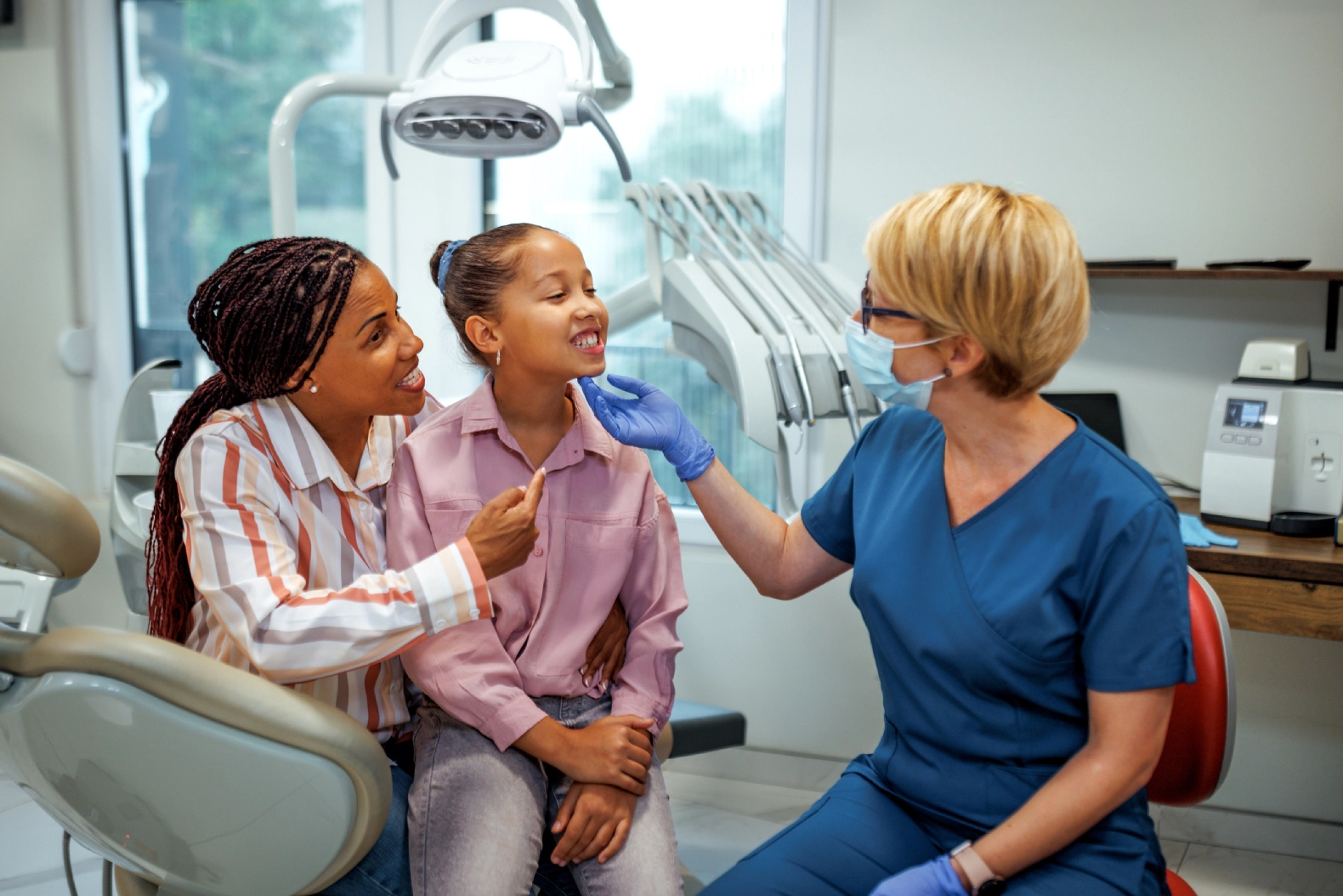
The dentist will spend a little time talking with you about your child’s health, dental history, habits, and anything you’ve noticed at home. Then we’ll introduce ourselves to your child and explain what’s going to happen in a way that makes sense for their age.
Taking a Look at Their Teeth
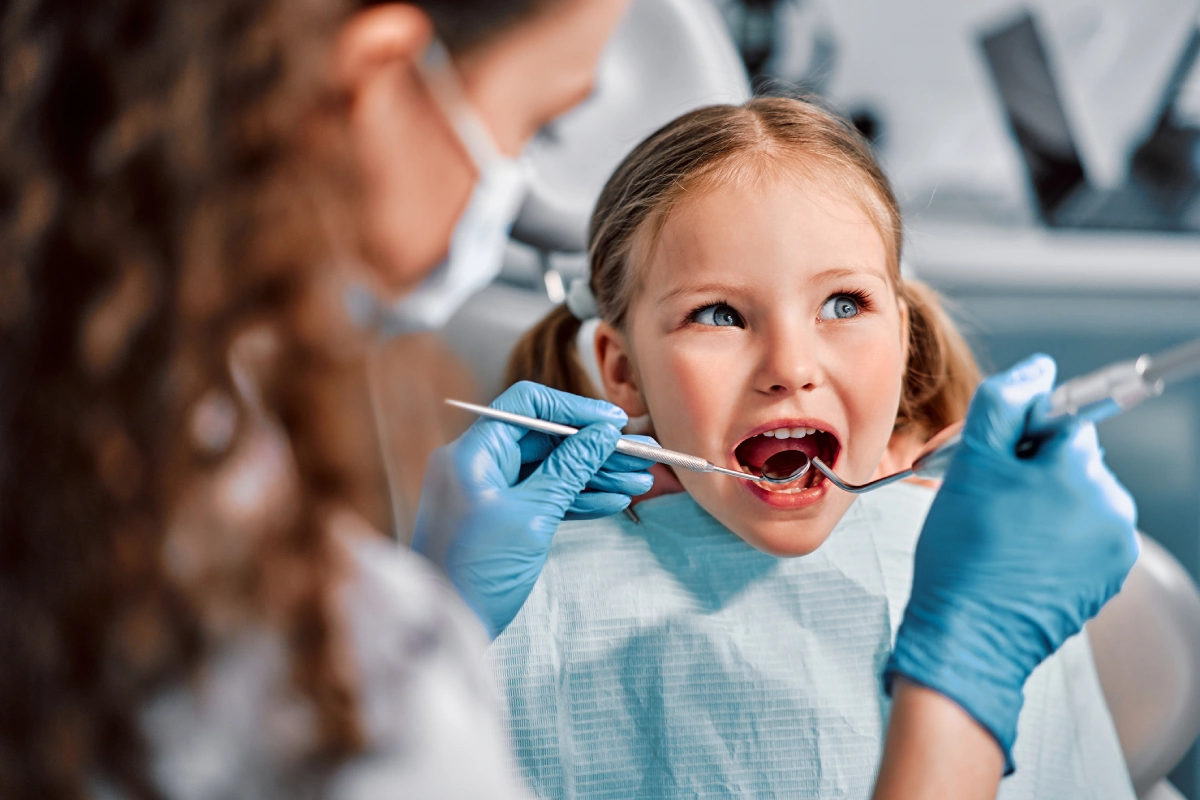
This part is pretty simple. We’ll count your child’s teeth, look at each one, check their gums, and see how everything is developing. We’re looking for cavities and other concerns, but we’re also paying attention to how the teeth are coming in and how the bite is taking shape. If we need to use an instrument, we’ll show your child what it is first and explain what we’re going to do.
Cleaning Their Teeth
If your child is ready for a cleaning, we’ll gently remove plaque and buildup from their teeth. We’ll keep things simple and let them know what’s happening as we go. For many kids, the strange sounds and sensations are the biggest adjustment, and giving them a chance to know what is coming can make the process much easier.
Talking About What We Found
Once we’re finished, we’ll talk with you about your child’s teeth and answer any questions you have. We may also discuss brushing, flossing, fluoride, pacifiers, thumb- sucking, diet, or anything else that can affect their smile as they grow. If everything looks good, we’ll let you know when we’d like to see your child again. If something needs attention, we’ll explain what it is and what we recommend next.
The first visit isn’t about seeing how much your child will tolerate. It’s about getting to know them, checking their growing smile, and helping them start to feel at home at the dentist.
What We’ll Ask You
A first dental visit is about more than looking at your child’s teeth. We’ll also ask a few questions about what’s happening at home because those everyday habits can tell us a lot about your child’s developing smile.
- Feeding habits: Does your child use a bottle, and what do they usually drink from it?
- Nighttime routines: Do they have nighttime feedings, and when do they usually go to bed?
- Pacifiers and thumb-sucking: How often do they use a pacifier or suck their thumb?
- Brushing at home: Are you able to brush regularly, or does brushing sometimes turn into a struggle?
- Anything you’ve noticed: Have you seen changes in your child’s teeth, gums, eating habits, or anything else that concerns you?
There’s no right or wrong answer. The more we know about your child’s routine, the better we can tailor our advice and help you know what to focus on at home. That’s an important part of what happens at a child’s first dental visit.
What If My Child Cries or Won’t Open Their Mouth?
Some children are ready to explore the office right away, while others may need more time. If a child cries or is reluctant to open their mouth, it is a normal reaction as a new setting can make them nervous.
Just Kids Dental offers a comfortable space designed especially for kids and their comfort. We slow things down and start by showing them around or letting them meet the team so they can be relaxed and feel at ease. Ensuring that the child feels that the dentist is a familiar place where they can be safe is an important goal for a first visit. We don’t force the experience, even if the child hesitates or won’t open their mouth; we take time to build trust to make future visits easier.
How to Prepare Without Making It a Big Deal
You don’t need to make a big event out of your child’s first dental visit. Keep the conversation simple and positive so they know what to expect without creating unnecessary worry.
Use simple words:
Say things like, “We’re going to count your teeth” or “The dentist will look at your smile.” For a first dental visit for a toddler, simple explanations are usually enough.
Avoid scary words:
Skip words like “shot”, “drill”, or “hurt”. Even when you’re trying to reassure your child, mentioning these things can create worries they didn’t have before.
Keep it casual:
There’s no need to rehearse the appointment or make promises about what will or won’t happen. Just explain that they’re going to meet the dentist and have their teeth checked.
Tell us what your child needs:
When booking at Just Kids Dental, let us know about anxiety, sensory sensitivities, or previous dental experiences. Whether you’re preparing for a baby’s first dental visit or a toddler’s appointment, we’ll help you know what to expect and how to make the visit comfortable.
Make Dental Care Easier for Your Child With Just Kids DentalFAQs: Your Child’s First Dental Visit
What should I expect at my toddler’s first dental visit?
For a first dental visit for a toddler, expect a short, age-appropriate appointment. Your child may sit with you while the dentist counts their teeth, checks their gums, and looks at how their teeth are developing. The team may also discuss brushing, feeding habits, pacifier use, and other everyday routines.
Will my child get a cleaning at their first dental visit?
A cleaning may be recommended depending on your child’s age, teeth, and oral health. For younger children, the visit may focus primarily on the exam and helping parents establish good brushing and feeding habits.
What happens during a baby’s first dental visit?
A baby’s first dental visit is usually focused on getting to know your child, checking their mouth and developing teeth, and giving you guidance on caring for their smile. The dentist may also discuss bottle or breastfeeding habits, nighttime feeding, pacifier use, and brushing.
What if my child cries during their first dental visit?
Crying is a normal response for some children, especially when they’re experiencing a new environment. The dental team can slow down, give your child time to settle in, or take a break when needed. The goal is to build familiarity anuitrust rather than force the appointment.
How should I prepare my child for their first dental visit?
Keep it simple and positive. Explain that the dentist will look at and count their teeth, and avoid using words that could make the appointment sound frightening. You can also tell the dental team about any concerns, sensitivities, or previous experiences before the visit.
Learn more:
- Preventive Care: Ongoing care that keeps teeth healthy from the start
- Comfort & Sedation: Options if your child needs extra support during procedures
- Special Needs Dentistry: Specialized care for children with unique needs